
TACTILE PRINTING:
Print you can feel.
Tactile printing adds physical texture and raised detail to a printed surface. Using our swissQprint Kudu UV-LED flatbed printer, P&D can build precisely registered ink layers and apply effect varnish to create print that is designed to be felt as well as seen.
Tactile print can reproduce surface textures, highlight selected details, add raised lettering or dots, and create finishes ranging from subtle changes in touch to more pronounced relief.
P&D can use the processes available within its Kudu workflow—including layered ink and effect varnish—to select an approach suited to the artwork, material and intended experience.

How tactile printing works
The Kudu deposits and UV-cures accurately registered layers directly onto the material. Repeating those layers builds physical relief above the printed surface. Effect varnish can also be applied selectively or more widely to change the gloss, appearance and feel of chosen areas.
This is different from mechanical embossing, which reshapes a material using pressure and a die. It is also different from additive-manufacturing 3D printing, because P&D is enhancing the surface of a flat printed item rather than manufacturing a separate three-dimensional object.
Tactile printing can include varnish, but it offers more than a conventional flat spot-varnish finish because physical layers and relief can be incorporated into the result.
Materials for tactile print
P&D has produced tactile work on:
- Dibond aluminium composite;
- plastics; and
- card.
Other materials that are generally safe and compatible for flatbed printing can also be considered. The material, surface, weight, application and required tactile effect should be checked before production so that the appropriate print method can be selected.
Individual panels and larger installations
The Kudu’s published full-bleed flatbed area is 3240 × 2030 mm, which defines the machine maximum for an individual flatbed print. The practical printable area may depend on the material and production method selected for the job.
Larger completed work is possible through panelling. P&D can divide the artwork across the required number of panels so that the finished installation covers a much larger space. Panel dimensions, joins and artwork alignment are planned as part of the job.
Braille led by the client’s standard
The Kudu can build raised dots and Braille applications through accurately registered layers. P&D has the fonts and production capability to work to the standard specified for a project.
The client must identify, supply and clarify the required Braille standard and content, and approve that information for production. P&D does not independently choose or certify the accessibility standard on the client’s behalf.
This ensures that the production file is created against the requirements supplied for the particular application rather than assuming one Braille specification applies to every project.
Where tactile printing can add value
- retail displays and point-of-sale graphics;
- packaging and presentation pieces;
- raised lettering and client-specified Braille;
- decorative panels and interior graphics;
- material, surface or product simulations;
- selective gloss and textured highlights; and
- larger panelled installations.
The best combination of material, ink layers and varnish depends on what the customer needs people to see and feel.
What P&D needs for a tactile-print brief
- the finished dimensions and whether the work may be panelled;
- the intended substrate or the performance required from it;
- the artwork and the areas that should be raised or varnished;
- the desired texture, relief or gloss effect;
- the viewing and handling environment;
- quantities and the required completion date; and
- for Braille, the client-approved wording, font, standard and production specification.
P&D can then review material compatibility, panel planning and the print processes needed to achieve the intended result.
Tactile-printing questions
Is tactile printing the same as 3D printing?
No. Tactile printing builds texture and relief on the surface of a flat printed item. It does not manufacture a separate three-dimensional object.
Is it the same as embossing?
No. Embossing physically reshapes a material using pressure and a die. The Kudu creates relief by depositing and curing accurately registered layers on the surface.
Can tactile printing include varnish?
Yes. P&D can use effect varnish as well as layered ink to create different visual and tactile finishes.
What materials can be used?
P&D has printed tactile work on Dibond aluminium composite, plastics and card. Other materials suitable for flatbed printing can be considered following a compatibility check.
Can you print larger than the Kudu bed?
Can P&D produce Braille?
Yes. P&D has suitable fonts and can produce raised Braille to the standard specified by the client. The client is responsible for supplying, clarifying and approving the correct content and standard.
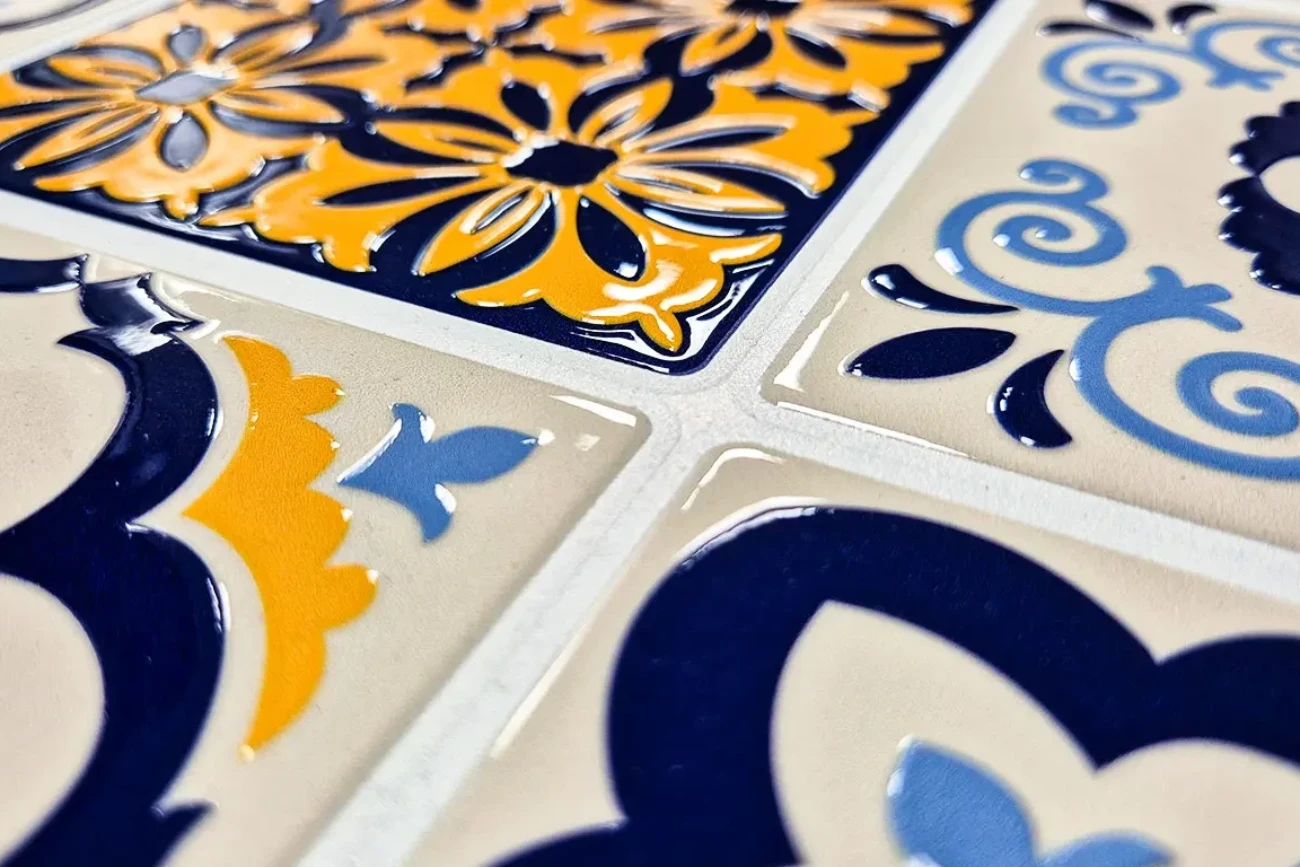
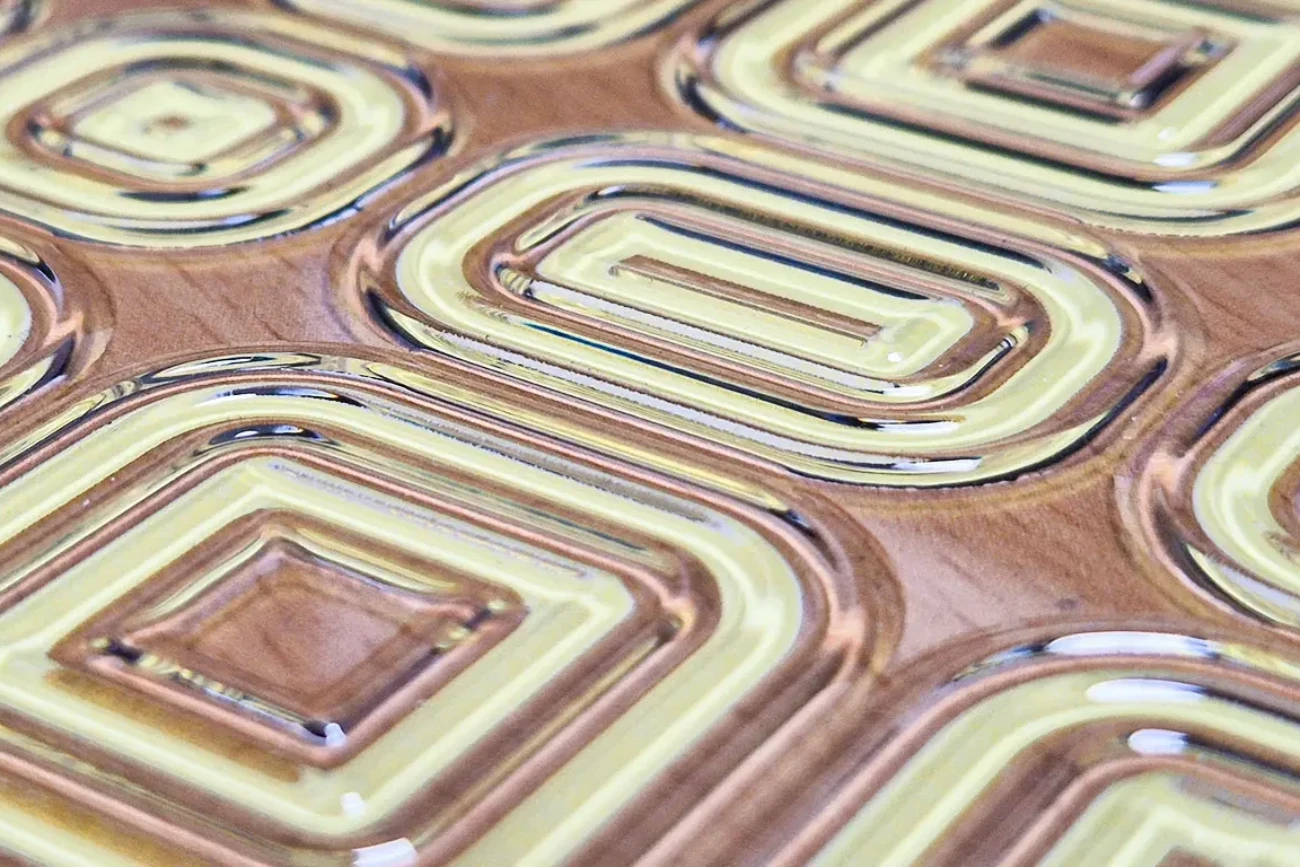
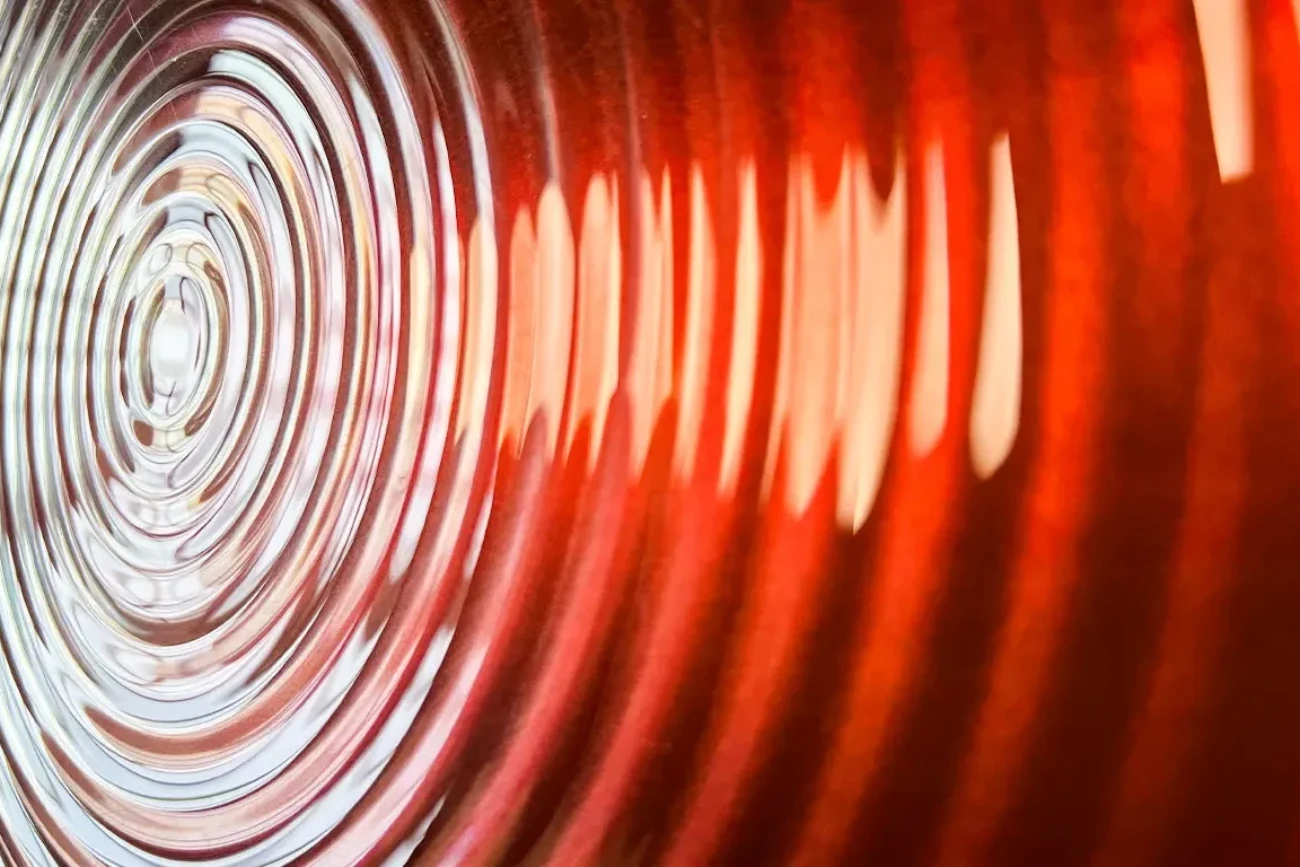
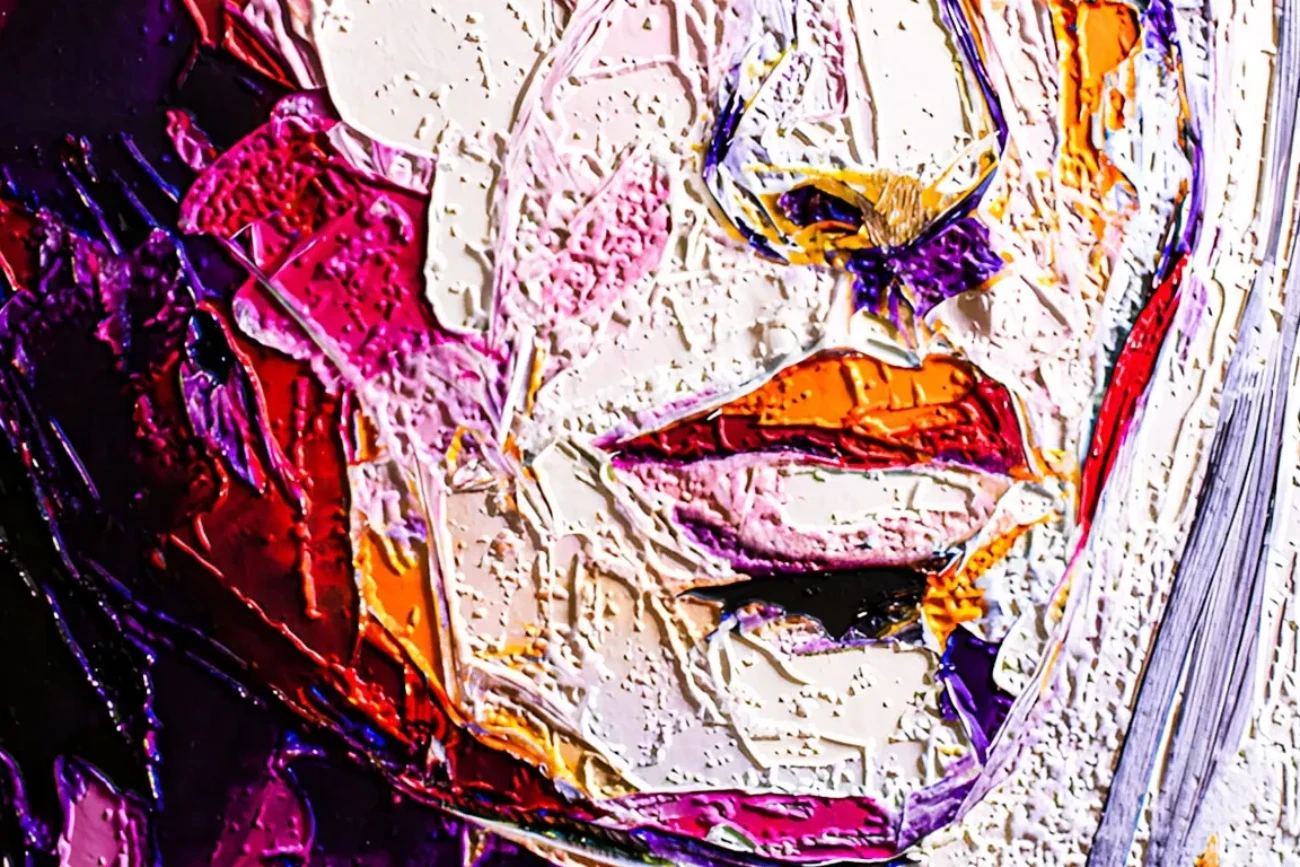
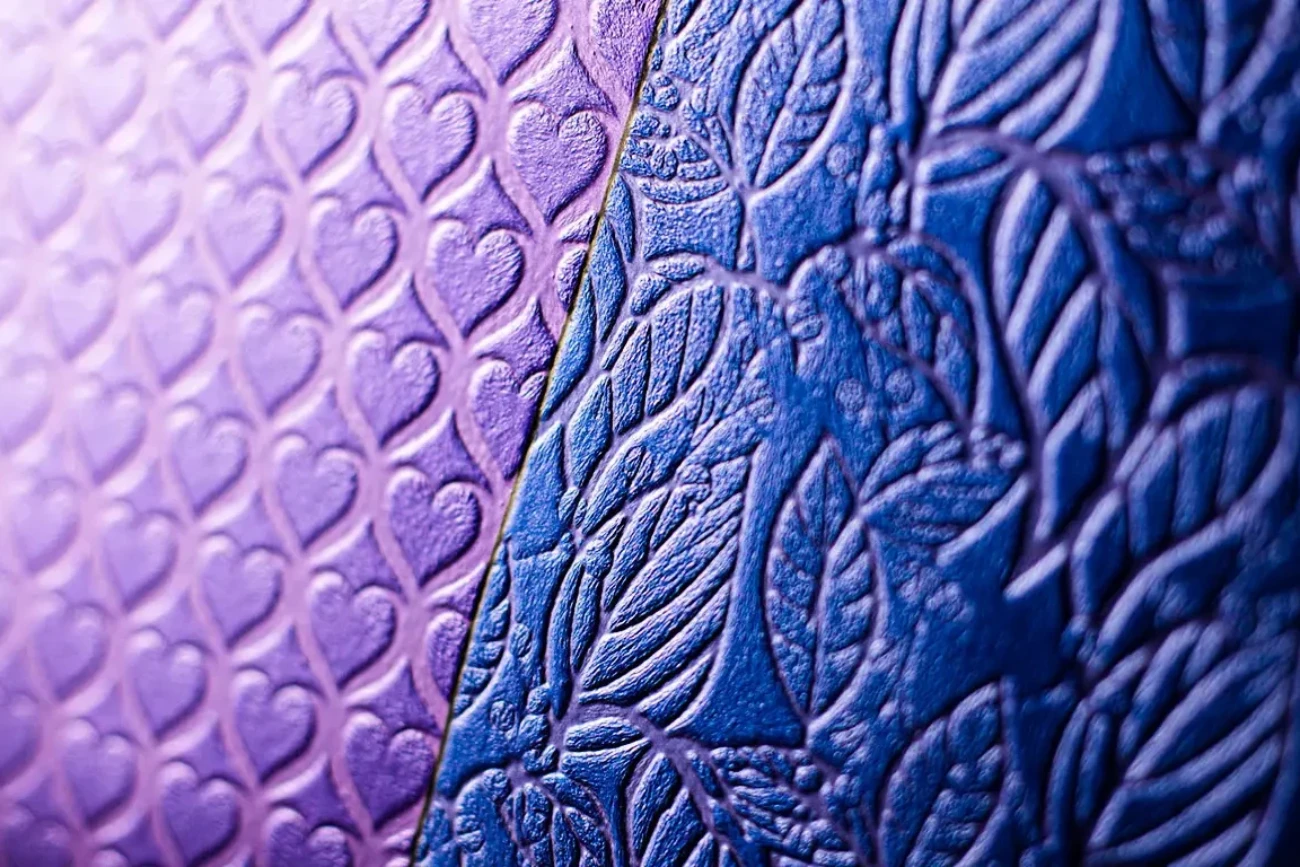
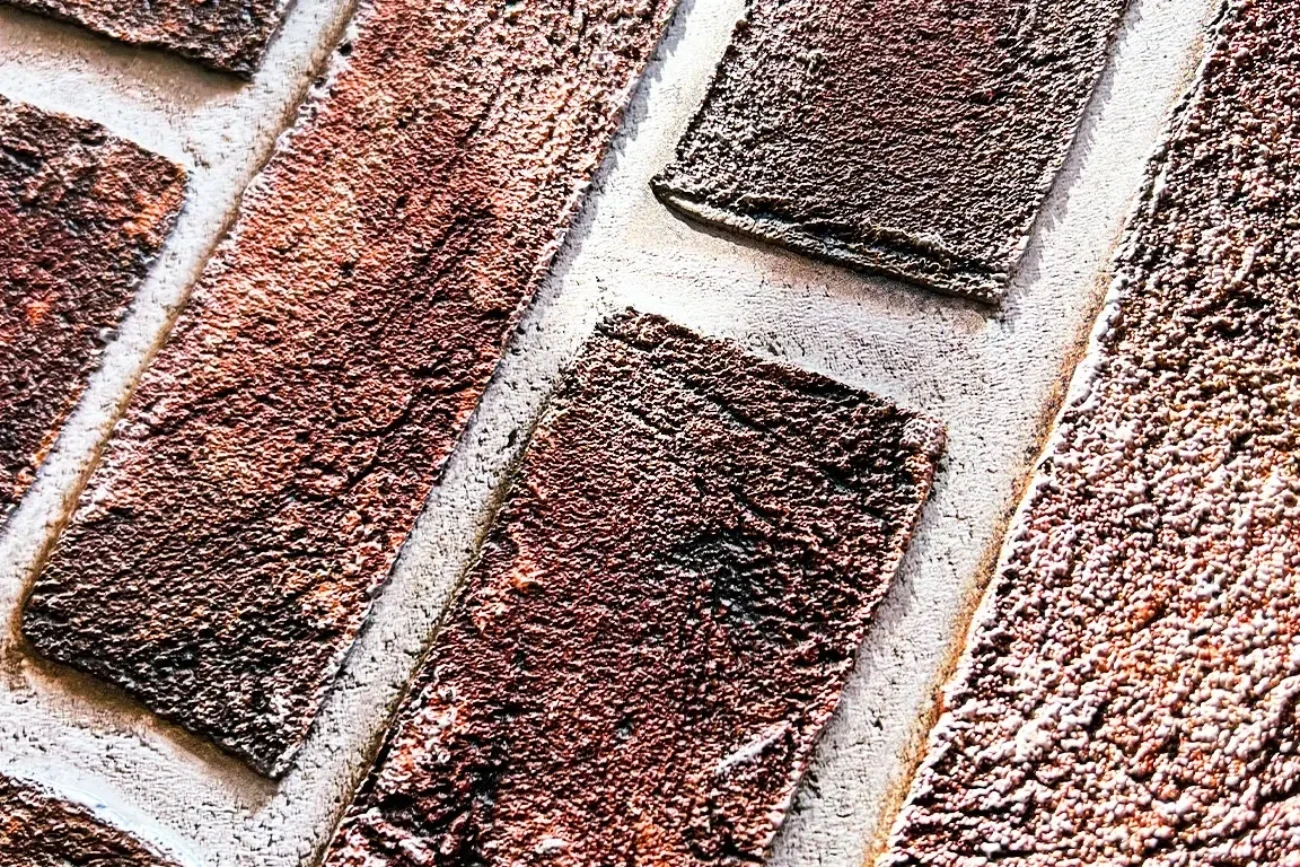
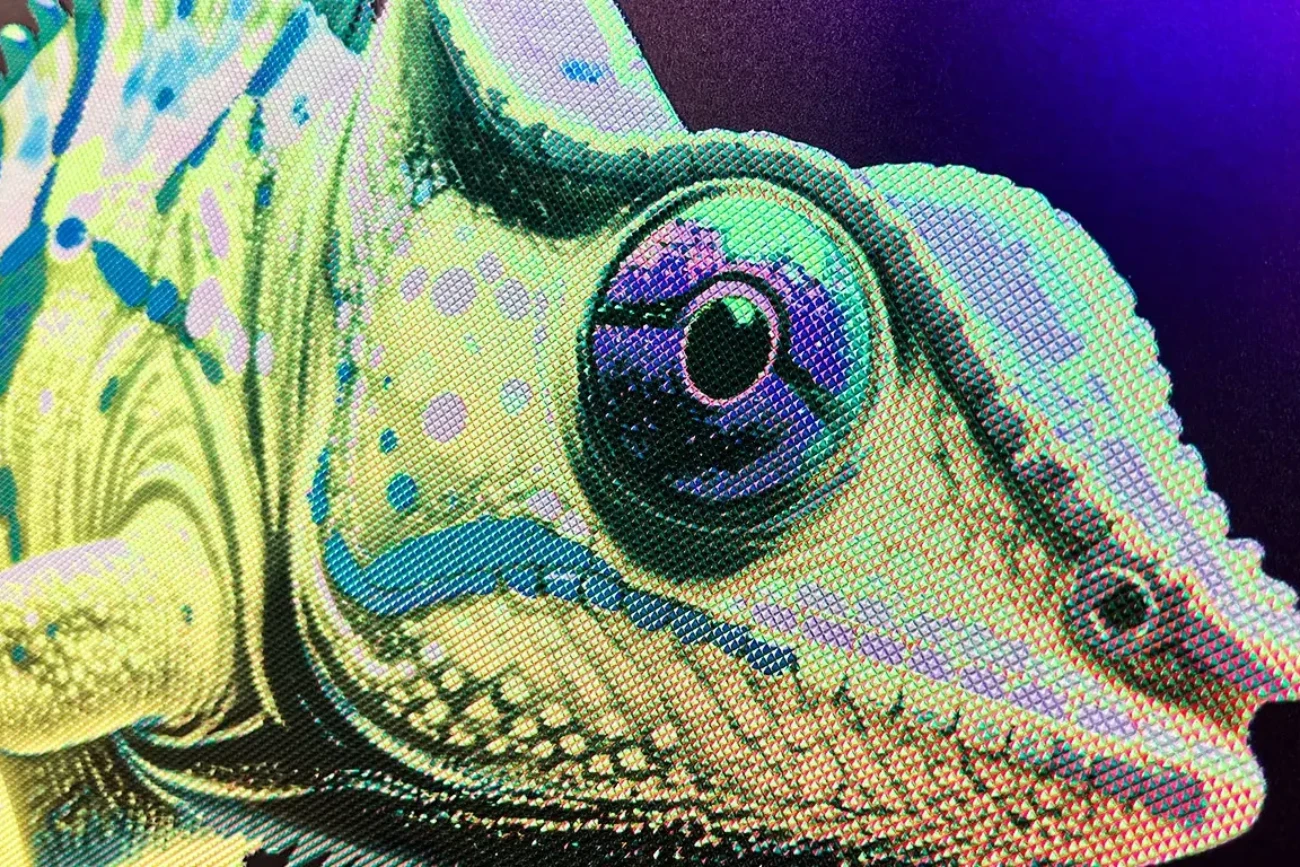
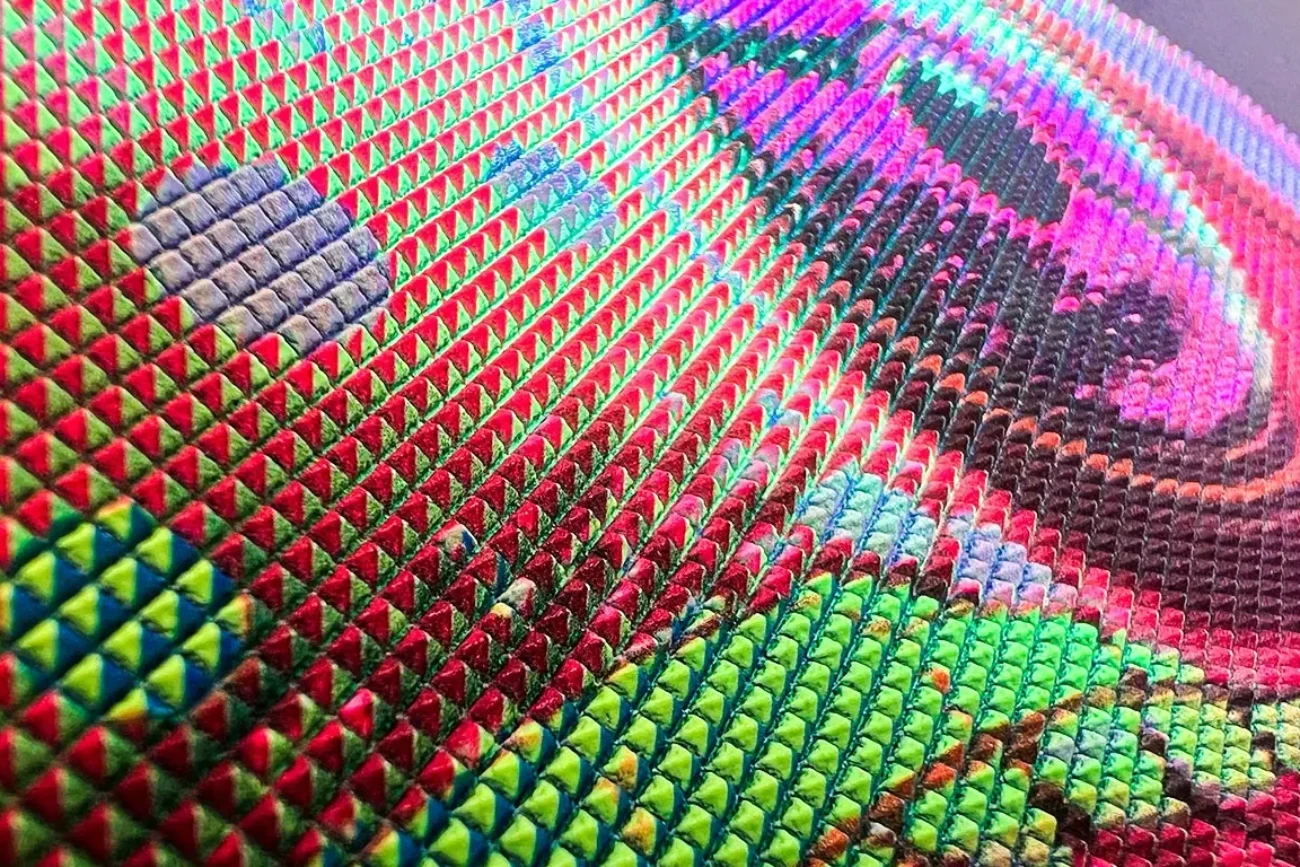
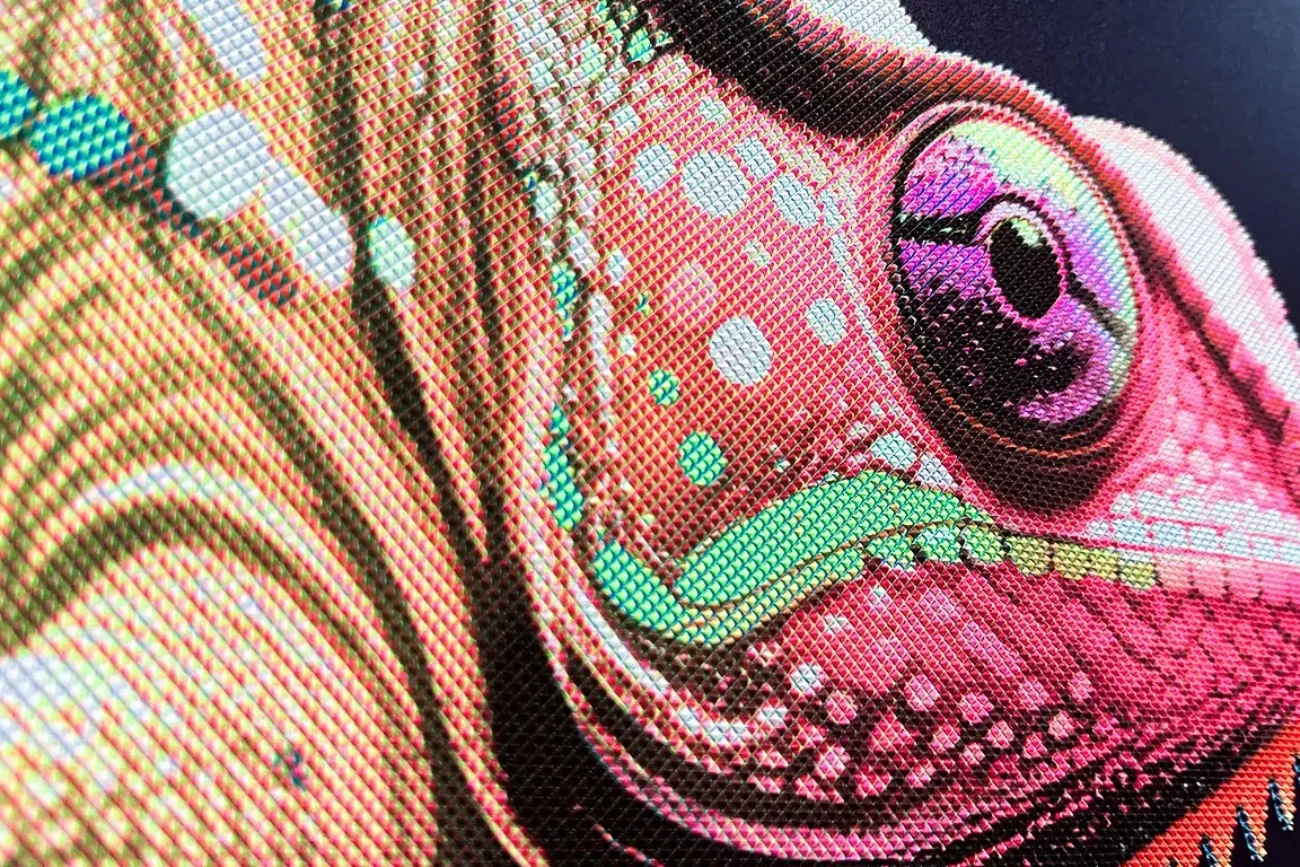
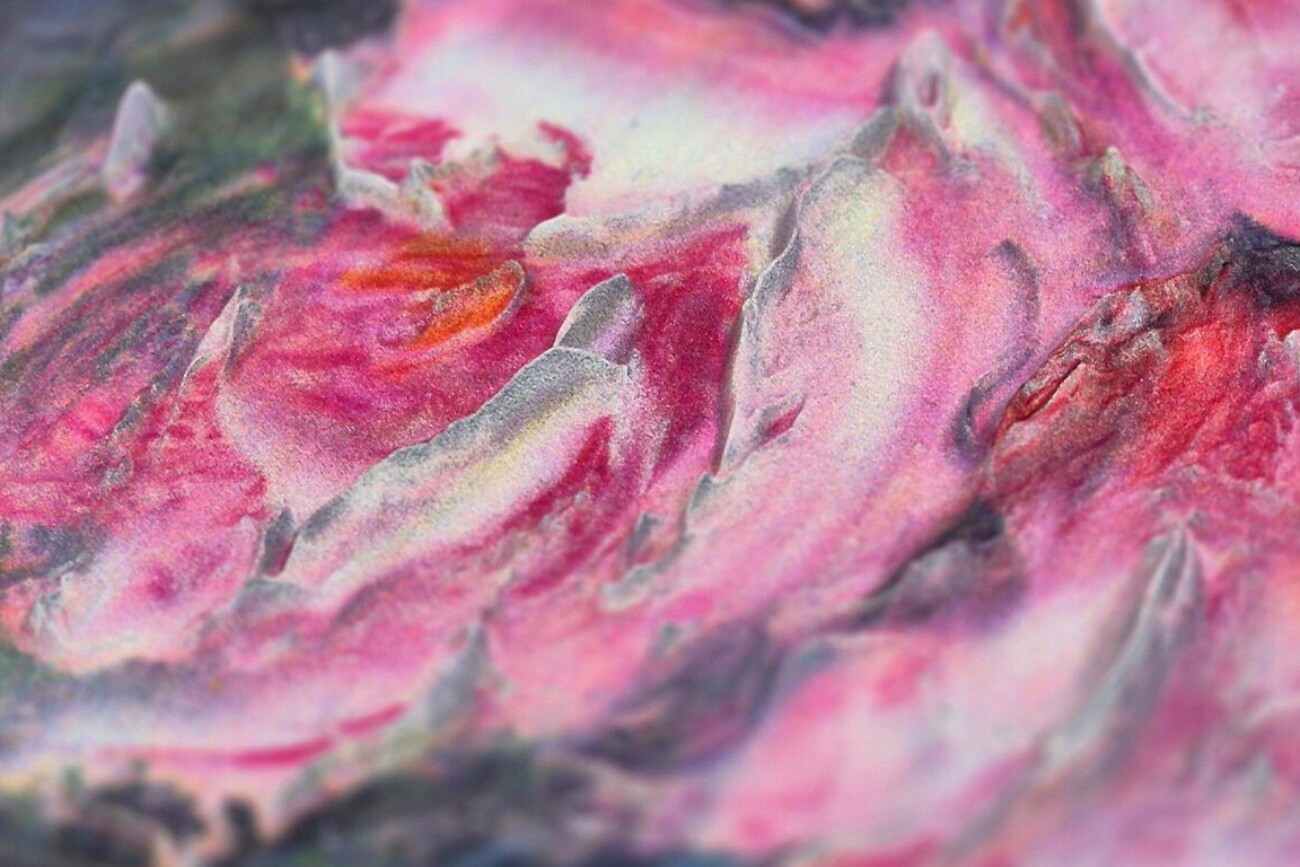
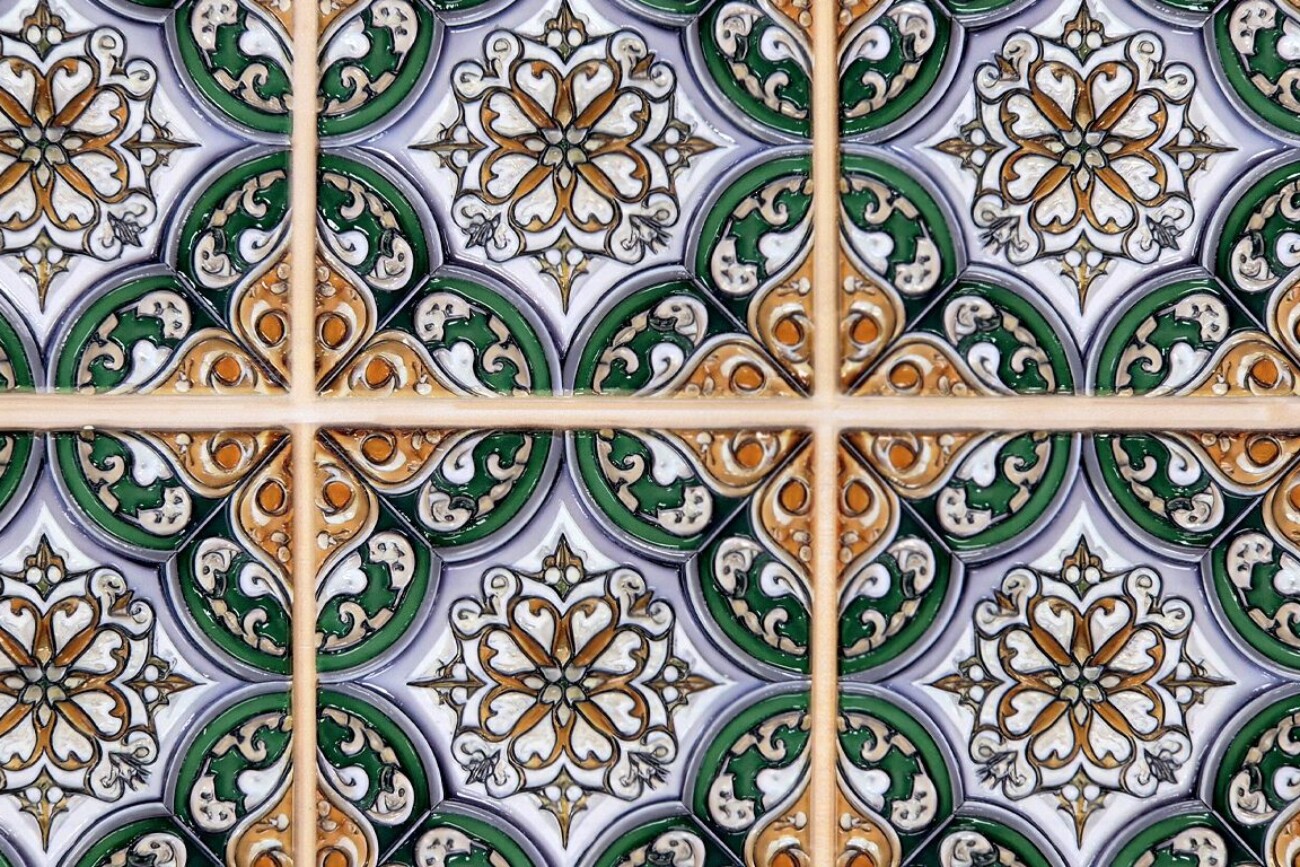
Tactile print — the photo gallery

A selection of textures and finishes produced by Print & Display. The effects shown are printed onto the substrate.

Tactile print — the video gallery
Watch tactile print in action across a range of surfaces, effects and applications.